price optimization
How pricing research helped Purple better understand willingness to pay and support premium positioning in a competitive market
1,493 U.S. mattress shoppers surveyed
5 consumer segments analyzed for pricing sensitivity
2 priority audiences identified for premium pricing

About Purple
Purple is a direct-to-consumer mattress brand known for its proprietary comfort technology and strong presence in the mattress-in-a-box category.
Problem
Purple operates in a highly competitive market where pricing pressure continues to increase. To protect margin and sustain growth, the brand needed to better understand willingness to pay and how consumers justify premium pricing.
Our Strategy
The BYU Marketing Lab conducted a pricing-focused consumer research study to support Purple’s price optimization efforts.
The team surveyed 1,493 U.S. consumers planning to purchase a mattress within the next three years. The survey incorporated MaxDiff and conjoint analysis to evaluate how consumers trade off price against key value drivers such as comfort, durability, pain relief, and purchase experience.
Consumers were segmented based on purchase behavior, price sensitivity, and shopping preferences. This approach allowed pricing insights to be analyzed at a segment level rather than relying on broad market averages.
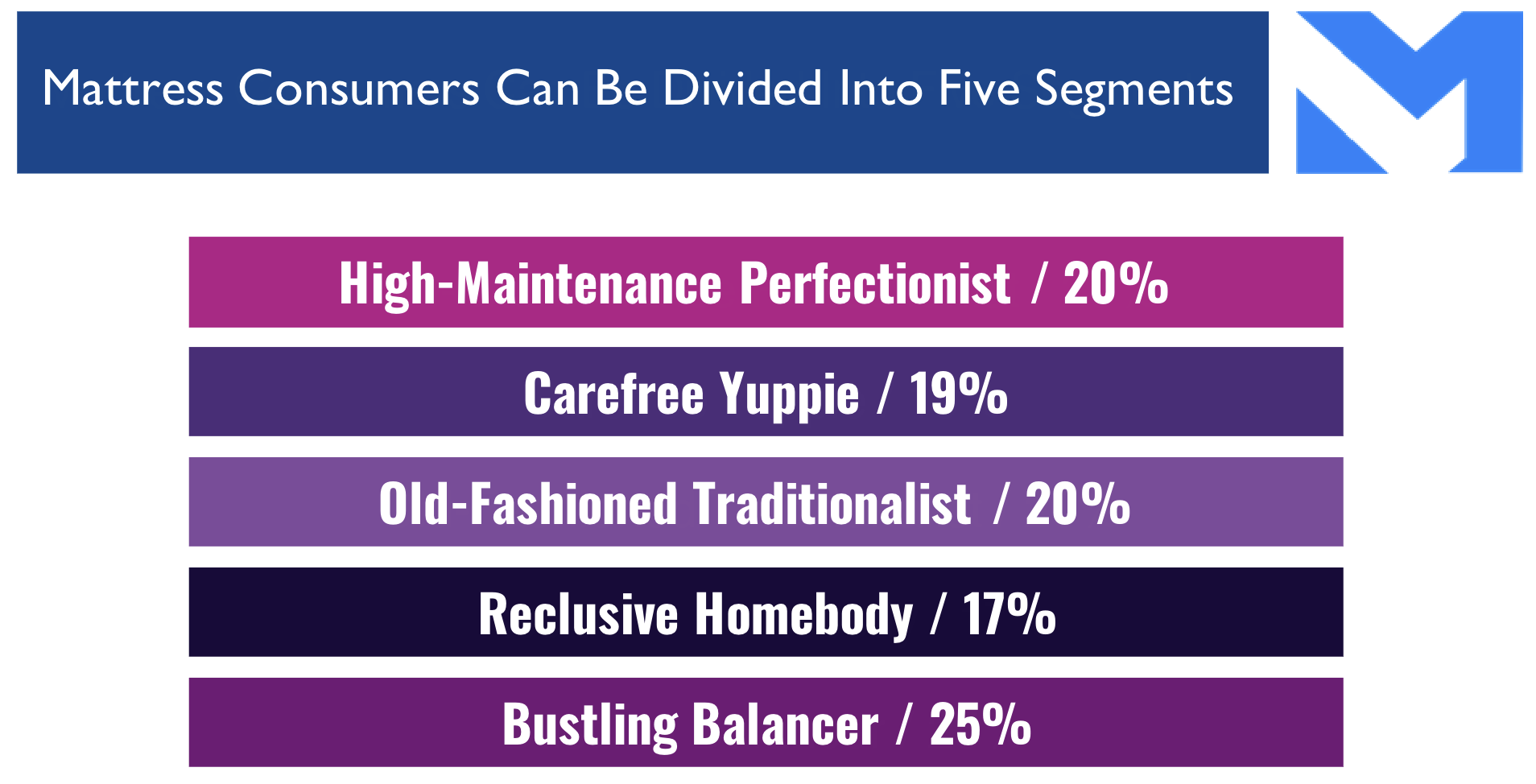
Pricing sensitivity evaluated across five distinct consumer segments:
Our Results
Revealed differences in how consumers evaluate price and value
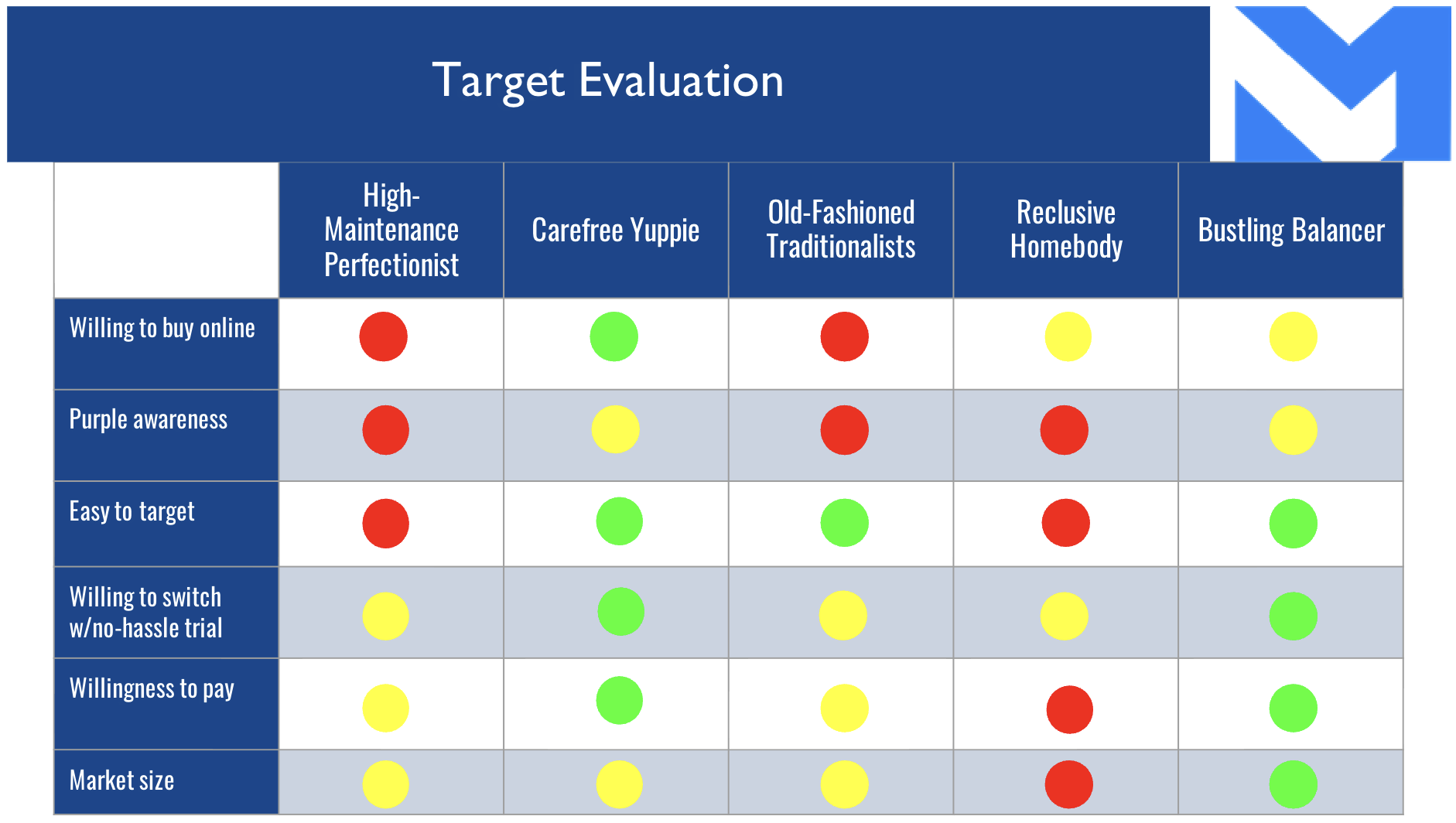
Identified which consumer segments show higher willingness to pay
Clarified which product and experience attributes most influence price acceptance
Provided pricing insight to support future decision-making
This deep dive into pricing elasticity and consumer psychology transformed Purple’s approach to the market—moving from a price-competitive stance to a value-dominant identity that justifies a premium in a crowded "bed-in-a-box" category.
Client Impact
This project gave Purple a clearer view of how price, value, and consumer expectations interact in the mattress category.
The research helped clarify where pricing aligns with consumer value perceptions and where stronger value communication may be needed.