
How Streaming Shows Turn Into Consumer Trends
Table of Contents
1. Fragmentation 101
2. The Challenge for Marketers: Attention Is Scattered
3. The Rise of “Shared Moments”
4. New Strategies to Survive Fragmentation
5. What This Means for Student Marketers
6. The Takeaway
Remember when Netflix was the only streaming service? Yeah, us too…
Fast forward to now and there are so many options to pick from, all having a million different movie, show, and documentary picks. The possibilities are endless, literally. Disney+, HBO Max, Peacock, Paramount+, Hulu, and dozens more compete for viewers’ attention, while subscription fatigue and ad-supported tiers are reshaping how audiences consume content at such a high level.
For marketers, this fragmentation is such a shift in how traditional TV used to be. Attention is scattered across multiple channels, making these traditional ad strategies much less powerful than they used to be. Brands now have to navigate a more complex ecosystem to stay relevant and connect with audiences. Fragmentation is creating a 180 for how marketers need to think and strategize
Fragmentation 101
Fragmentation in marketing is when a market has been split into many diverse sub-markets, each with a distinct customer group and preference that they are serving. There is no way for a company to “win” or dominate in such a market, so success has to be found in niche and specific segments.
Streaming skyrocketed within the last decade, making this market very crowded and overtaking the once-superstar Netflix. Disney+, Apple TV+, Amazon Prime Video, HBO Max, Peacock, Paramount+, and countless other services all compete for the same audience. Because of economic and competitive pressures, these streaming services are relying on ads to support their platforms. Audiences aren’t just watching. They’re rotating between subscriptions and skipping ads whenever possible. This complicates marketers’ approaches as they try to tame the beast that is TV ads. Now, there isn’t a home base for brands to live in and reliably reach their consumers.
The Challenge for Marketers: Attention Is Scattered
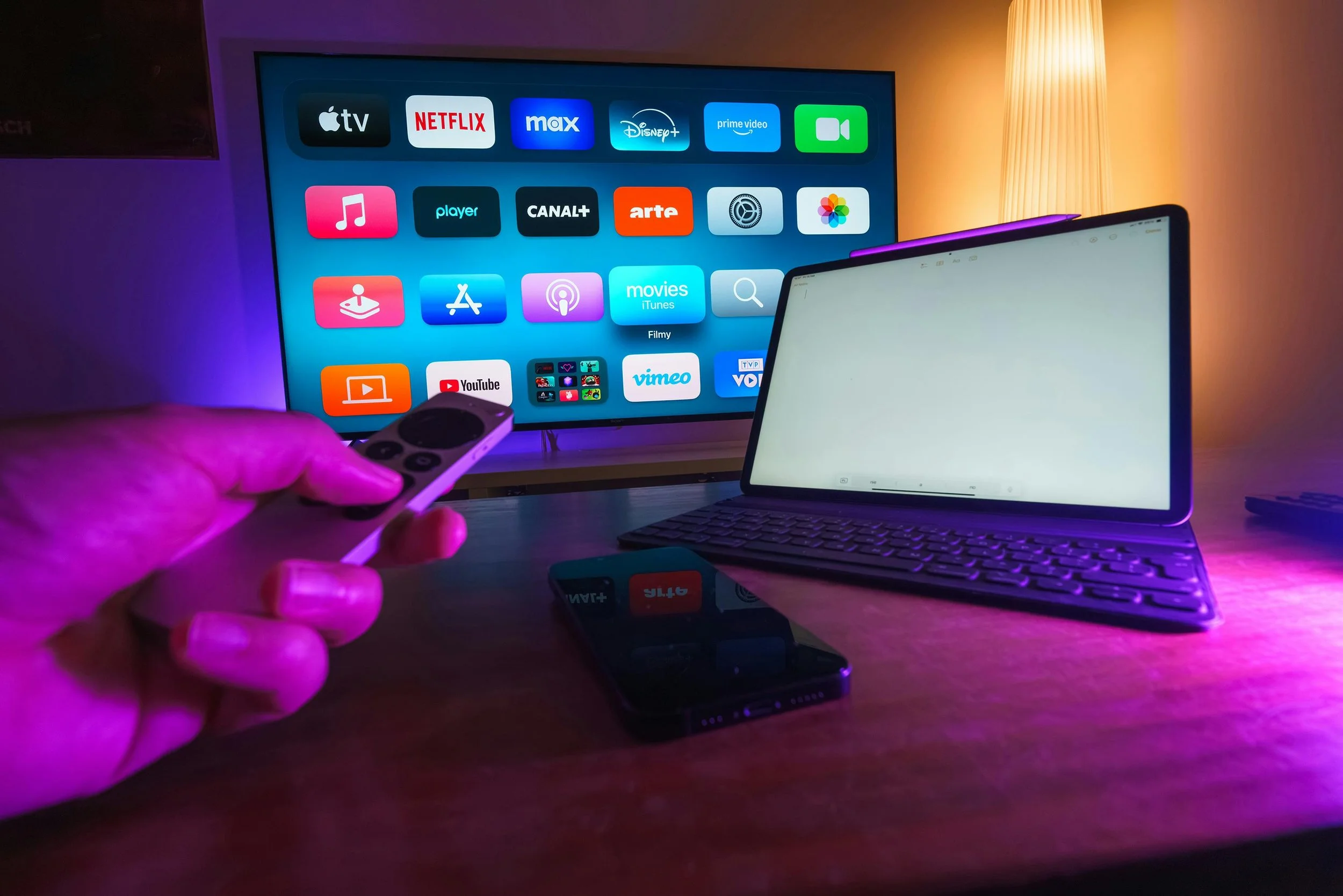
Younger viewers can’t sit down and watch one thing with their undivided attention. Instead, the TV is on, their laptop is open with assignments on their laps, they’re watching Reels or Tiktoks on their phone, and having a conversation with another person in the room. Their attention is scattered across several platforms, making it difficult as a marketer to achieve reach or frequency on any single service.
On top of this, there is a new movie or show dropping every week, leaving a short window for marketers to squeeze in with brand partnerships and relevancy before it’s old news. Double on top of that, performance tracking has many limitations to it now, making it difficult to a) target consumers and b) measure results and impact properly. When consumers are hit repeatedly with ads that they don’t resonate with and see them over and over and over again, they quickly get frustrated-—risking damage to brand perception and image.
There are so many battles that marketers have to pick fights with. They have to contend with a fragmented audience, rapid content cycles, unclear measurement, and the challenge of keeping viewers engaged. It’s like a never ending problem.
The Rise of “Shared Moments”
Brands have found their ways around market fragmentation, and pretty creatively. Using multiple channels to tell their stories allows campaigns to be broken into smaller narrative pieces across TikTok, YouTube, CTV, and social media, creating ongoing stories that live in multiple places.
Partnerships with shows, co-branded content, and product placement enable brands to tap into cultural moments instead of just interrupting the viewer experience. Owala and Le Creuset just did a partnership with Wicked along with many others, resonating more with a niche audience and creating limited edition products. Mondelez created a Stranger Things Oreo Cookie, drawing in binge watchers to snack on their Stranger Things cookies while they watch the new season. Even KFC created “Hawkins Fried Chicken” as a partnership with the show.
Brands are embracing binge culture in their creative approach, using episodic ads, character-driven storytelling, or cliffhanger-style campaigns to resonate with audiences accustomed to marathon viewing sessions. State Farm has leveraged this by developing an episodic series on social media to leverage multi-part videos, which do well because of platform algorithms.
While the challenges look like they keep coming and never seem to stop, a good marketer gets creative and is able to think outside of the box to counter these battles.
What This Means for Student Marketers
Cross-platform planning is critical, as there’s no longer a single channel where everyone congregates. There needs to be creativity in embracing this fragmentation, meaning that content needs to be dynamic and able to shift from medium to medium. Cultural awareness is non-negotiable, where understanding the communities and fandoms surrounding shows can make or break a campaign, and be a huge win when done right. Figure out your target audience first, always, then figure out their behaviors and which brand-to-consumer touchpoints they live at. By building campaigns that can exist simultaneously on multiple platforms and using social signals and cultural insight to time campaigns effectively, you can be a very successful marketer very fast.
The Takeaway
Streaming fragmentation isn’t slowing down. Attention should be the first thing you are trying to gain, and the brands that do will be agile enough to navigate multiple platforms and creative enough to tell stories across fragmented channels to join meaningful conversations. Pay attention, be relevant, and meet audiences where they actually are, or risk being invisible